
From question to a result you can defend.
Search the literature, run the right method and keep every run on the record.

The literature, from one question.
Searched across 42 research databases and written up with every source cited.
- PubMed and arXiv
- UniProt and PDB
- Cited reports


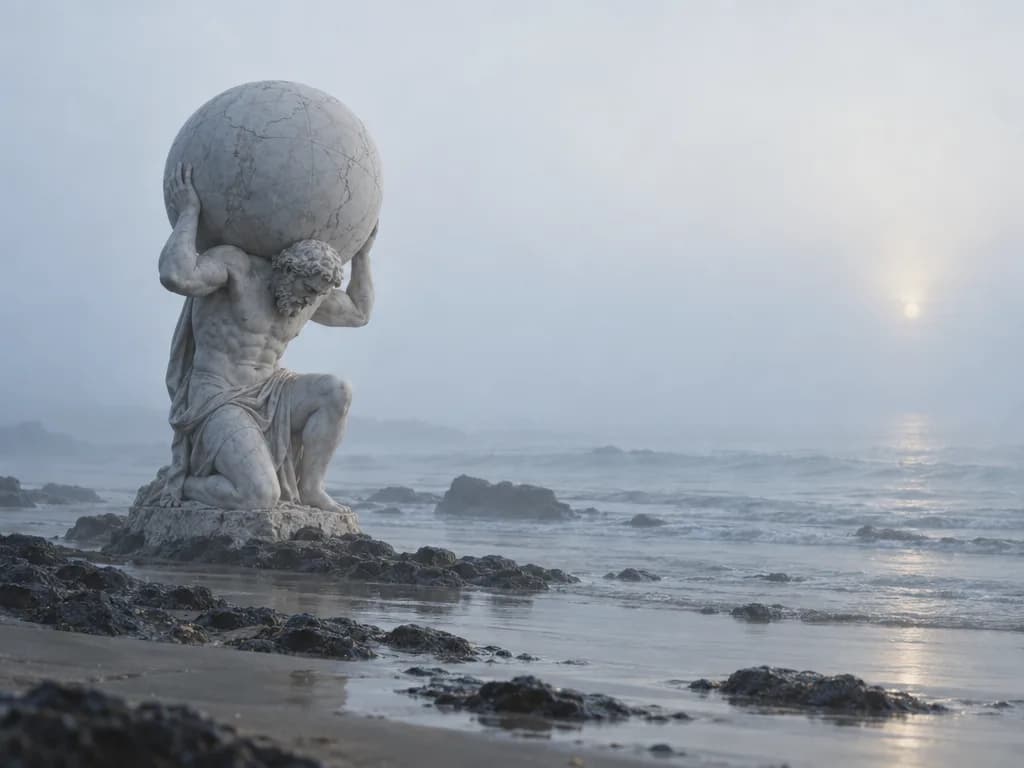


Structures, sequences and notebooks, opened in place.
Proteins turn in 3D, sequences show their features, notebooks run and equations typeset, beside the chat.
The right method, by default.
Estimates come with a range and the method behind them, or a clear reason there is none.
Every run on the record.
Command, commit and outputs captured for each job, on cloud GPUs up to an H100.
- Recorded jobs
- Local or cloud
- Approved estimates
A research team that keeps notes.
Findings, decisions and open questions kept in Spaces, where the next study starts.
- Researcher
- Data Analyst
- Tech Writer
What you hand in.

Literature review 
Clean dataset 
Figures 
Causal estimate 
Methods write-up 
Study notes
What researchers ask first.
Does my data leave my machine?
The analysis tools run on your Mac and the data stays there. Cloud GPU runs upload the project only when you start one.
Are the citations real?
They come from the databases it searched, such as PubMed and arXiv, and each links to its source.
What do GPUs cost?
GPU runs are billed in credits, and you approve the estimate before a cloud run starts.
Can I export everything?
Your data, code and reports are ordinary files on your Mac. Write-ups export as PDF, Word, Excel or CSV.
Is it Mac only?
Yes, for now. Nucleus and Spaces are built for Apple silicon Macs, and there are no Windows or Linux builds yet.
Ask the question. Defend the answer.
Switch a Nucleus chat to Science mode and start from your question.